Items
-
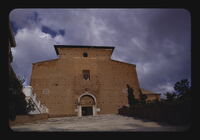 Church of Ara Coeli - Facade Rome Church of Ara Coeli Facade
 -
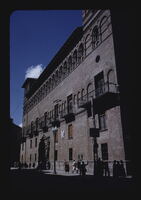 Building Malaga Building
 -
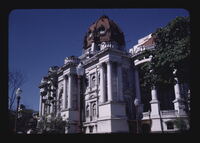 Monroe Palace - Main facade Central dome: Side view Public Buildings - Rio de Janeiro Monroe Palace Main facade Central dome Side view
 -
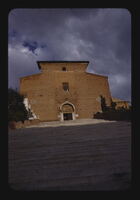 Church of Ara Coeli - Facade Rome Church of Ara Coeli Early middle ages Steps constructed 1348 Facade
 -
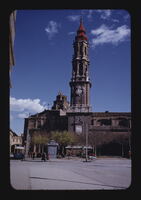 Church Malaga Church
 -
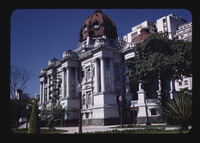 Monroe Palace - General view Public Buildings - Rio de Janeiro Monroe Palace General view from right This building was the Brazilian Pavilion at the Louisiana Purchase Exposition at St. Louis, Missouri in 1904. Designed by Brazil's Commissioner-General at the Exposition, Col. F. M. de Souza Aguiar. It is French renaissance style, with a rectangular body and two circular loggias at the two ends. At the close of the St. Louis Exposition, the building was dismantled and transferred to Rio de Janeiro. There it was reassembled and named in honor of President James Monroe and the Monroe Doctrine. Until 1937 it served as the Federal Senate, then became the headquarters of the Ministry of Justice and of the Interior.
 -
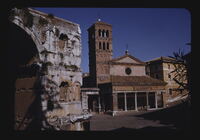 Arch of Janus - Close view Detail Rome Arch of Janus Close view Detail
 -
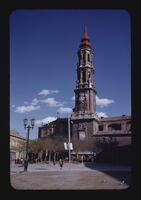 Church Malaga Church
 -
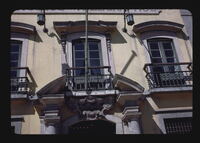 Departamento dos Correios e Telégrafos (Post Office and Telegraph Department Building) - Main facade: Detail Public Buildings - Rio de Janeiro Departamento dos Correios e Telégrafos (Post Office and Telegraph Department Building) Main facade Detail: decorative treatment above doorway Windows and balconies of second floor
 -
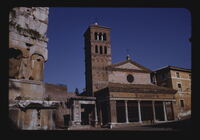 Arch of Janus - Close view Detail Rome Arch of Janus Close view Detail
 -
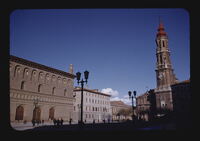 Town Hall, General View Malaga Lonja Casa de Ayuntamiento (Town Hall) General view
 -
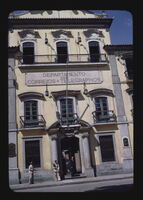 Departamento dos Correios e Telégrafos (Post Office and Telegraph Department Building) - Main facade Public Buildings - Rio de Janeiro Departamento dos Correios e Telégrafos (Post Office and Telegraph Department Building) Main facade, central section
 -
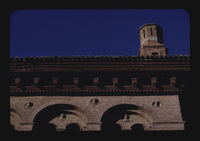 Customshouse, Upper Cornice Malaga Lonja Facade Upper section Cornice
 -
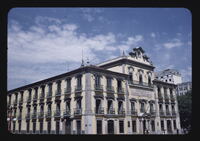 Departamento dos Correios e Telégrafos (Post Office and Telegraph Department Building) - General view Public Buildings - Rio de Janeiro Departamento dos Correios e Telégrafos (Post Office and Telegraph Department Building) General view from left Formerly the Imperial Palace of the city, seat of government in the time of the Monarchy (until 1889) . It was once the residence of the fugitive Portuguese Prince Regent Dom Joao, (later Joao VI of Portugal)
 -
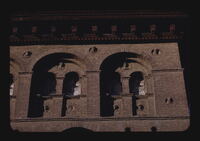 Customshouse, Upper Cornice Malaga Lonja Facade Upper section Cornice
 -
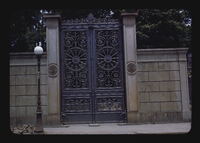 The Catete Palace - Bronze doors of garden entrance Public Buildings - Rio de Janeiro The Catete Palace Bronze doors of garden entrance
 -
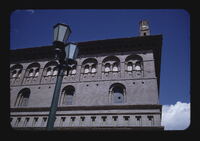 Customshouse, Upper Cornice Malaga Lonja Facade Upper section Cornice
 -
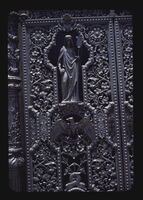 The Catete Palace - Bronze door Public Buildings - Rio de Janeiro The Catete Palace Bronze door: right side Sculpture
 -
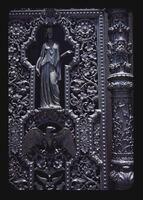 The Catete Palace - Bronze door Public Buildings - Rio de Janeiro The Catete Palace Bronze door: left side Sculpture
 -
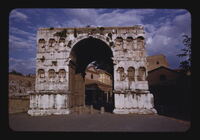 Arch of Janus - General view Rome Arch of Janus General view
 -
 The Catete Palace - Bronze sculptured doors Public Buildings - Rio de Janeiro The Catete Palace Bronze sculptured doors
 -
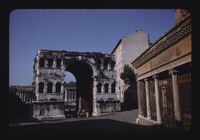 Arch of Janus - General view Rome Arch of Janus General view Background Temple of Fortuna Virile 1st Century B.C. Temple of Vesta
 -
 The Catete Palace - Main facade Central section Doorway Public Buildings - Rio de Janeiro The Catete Palace Main facade Central section Doorway
 -
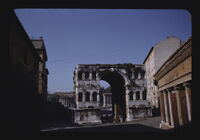 Arch of Janus - General view Rome Arch of Janus General view
 -
 The Catete Palace - General view Public Buildings - Rio de Janeiro The Catete Palace General view
 -
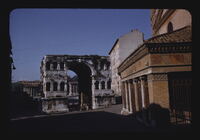 Arch of Janus - General view Rome Arch of Janus ca. 300 A.D. General view
 -
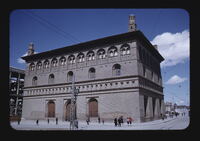 Customshouse, General View Malaga Lonja General view
 -
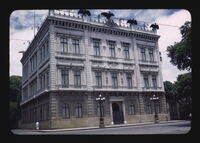 The Catete Palace - General view Public Buildings - Rio de Janeiro The Catete Palace Page 244 General view Constructed in 1862. Antonio Clemente Pinto, Baron of Nova Friburgo, bequeathed it to his son the Viscount of Sao Clemente, who enlarged the original structure. Later it was transferred to Francisco de Paula Mayrinch, who in turn ceded it to the Bank of Brazil. In 1896 it was sold by the Bank to the Government. The palace is now the seat of the Executive branch of the government and is used for Cabinet meetings and official receptions. On February 24, 1897, the palace was inaugurated as Brazil's capital building.The exterior of the first story is of local granite and the two upper floors are of pink marble and Lioz stone. The main door is bronze. A marble stairway, branching in both directions, leads to the upper floors.
 -
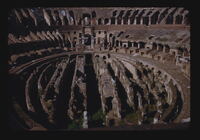 Colosseum or Flavian Amphitheatre - Interior General view Rome Colosseum or Flavian Amphitheatre 72 A.D. Interior General view
 -
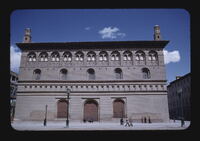 Customshouse, General View Malaga Lonja General view
 -
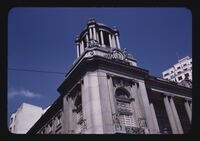 Prefeitura Municipal (City Hall) - Tower Public Buildings - Rio de Janeiro Prefeitura Municipal (City Hall) Tower
 -
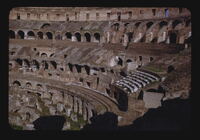 Colosseum or Flavian Amphitheatre - Interior General view Rome Colosseum or Flavian Amphitheatre 72 A.D. Interior General view
 -
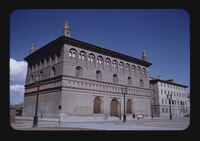 Customshouse, General View Malaga Lonja General view
 -
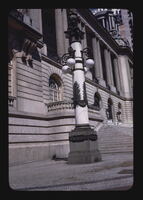 Prefeitura Municipal (City Hall) - Main facade Central section: Corner view Public Buildings - Rio de Janeiro Prefeitura Municipal (City Hall) Main facade Central section Corner view
 -
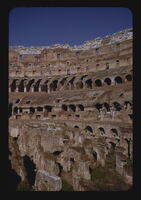 Colosseum or Flavian Amphitheatre - Interior General view Rome Colosseum or Flavian Amphitheatre 72 A.D. Interior General view
 -
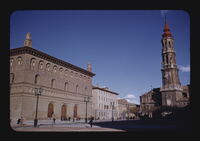 Customshouse, General View Malaga Lonja (Exchange, or Custom House) Completed 1551 General view
 -
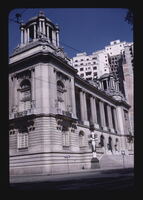 Prefeitura Municipal (City Hall) - General view Public Buildings - Rio de Janeiro Prefeitura Municipal (City Hall) General view Construction dates from the time of the Second Empire. Around 1940 it was remodeled and enlarged to centralize and accommodate the many city government offices
 -
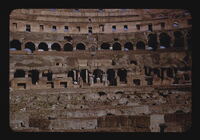 Colosseum or Flavian Amphitheatre - Interior General view Rome Colosseum or Flavian Amphitheatre 72 A.D. Interior General view
 -
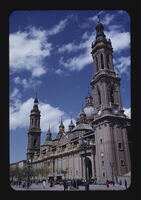 Malaga Cathedral, General View Malaga Cathedral 1119-1520 General view
 -
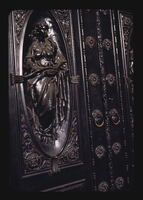 National Public Library - Main entrance Left door Public Buildings - Rio de Janeiro National Public Library Main entrance Left door: relief sculpture