Owls Rise: FAU Histories of Activism and Protests intends to discuss and analyze various aspects of FAU’s history regarding protests and activism. The members of this group who share similar ideas on social activism are Reilly Davis, Luna Craaybeek, Alyssa Scott, and Zainab (Miss) Ghani-Shareef, who share similar ideas. This project intends to explain the importance of recognizing FAU’s use of activism and protest due to its ability to inform how the school is operated and the overall well-being of the campus community. Reilly Davis's page will argue that FAU's earliest forms of protest and activism was paramount in shaping FAU's current student body culture of welcoming free speech, and advocating for people within the university's community. Miss Ghani's page will argue that FAU's history of activism incorporates not only public protests but quiet activism, care, volunteerism and mentorship, which mutally shape FAU's identity through its commitment to responsibility and humanity.
Without the ability to display free speech and diversity on campus, the school would not be the place it is today, where students from diverse backgrounds are heard and seen throughout campus. Through this project, we will examine and share the results of FAU’s earliest forms of activism and protests, social activism/justice, resilience, struggles, and achievements of students, staff, faculty, and alumni, covering the 1960s to the present. Reilly Davis's page will include examples from FAU's student-run newspaper articles discussing FAU's anti-Vietnam War protest, FAU's student body protesting the construction of a campus pool, a panel in favor of Women's Liberation, and the protest the removal of students from the student-run newspaper, the Atlantic Sun. Miss Ghani's page will include examples such as Joan Joyce’s quiet activism in a male-dominant environment, the project expands the public understanding of activism at FAU beyond demonstrations to include Joan Joyce who built a softball program, created a community, and open opportunities for women.
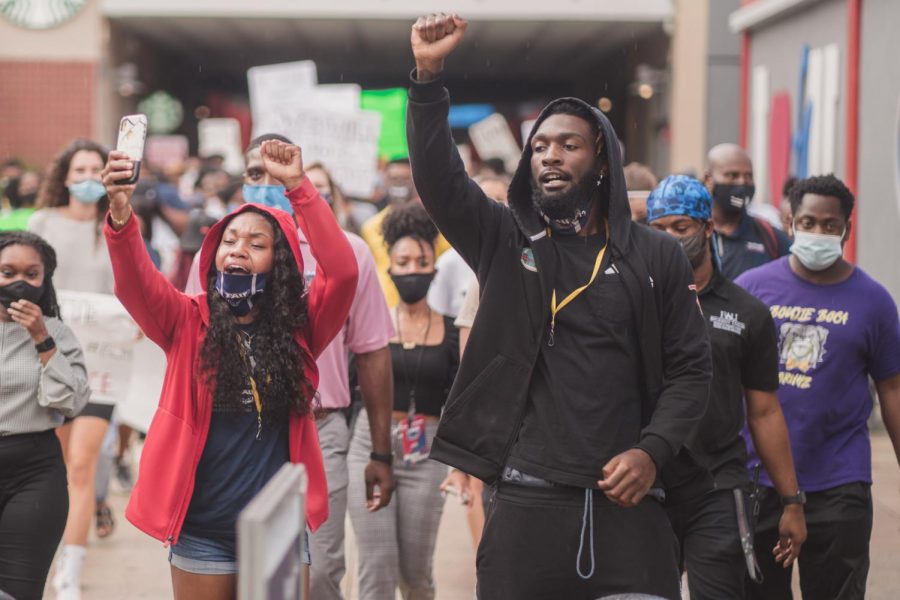
Throughout FAU's history, various forms of protest and activism have led the school to how it continues to function. With Omeka S, the group will create digital historical storytelling that highlights some of the moments and events that have impacted and shaped FAU today. The site and linked items will include the forced shutdown of FAU’s first newspaper, The Atlantic Sun, Day of Silence for FAU’s LGBT community, recent ICE protests, and allowing students and sports activists, Joan Joyce, head coach of the Owls’ softball team. FAU's earliest forms of protest and activism are important to discuss as they provide a framework as to how protests and activism are handled on campus today. Joyce's story matters because it tells how quiet activism in a male-dominant environment, such as building a program from the “ground up,” mentoring athletes, and transforming women’s athletics, molded FAU's identity just as powerfully as student protest.
These topics intend to express the importance of free speech, equity, and equality through various means. Each page and member group will display specific events and an individual, the protesters and activists of FAU campus histories.
Student protests have historically one of the most vocal and passionate sources of dissent in American history, most famously seen during the late stages of the Vietnam war. Furthermore, being in an educational environment, students are exposed to countless new ideas that they may not have seen before. As such, knowing the precedent on student protests in the past, particularly on social justice issues, allows modern students to understand ways to share their newfound beliefs in a healthy and constructive way. Simply put, the most effective way to learn how to protest today is to see how previous protests have succeeded or failed; something that the page focusing on student protests around social justice shares.